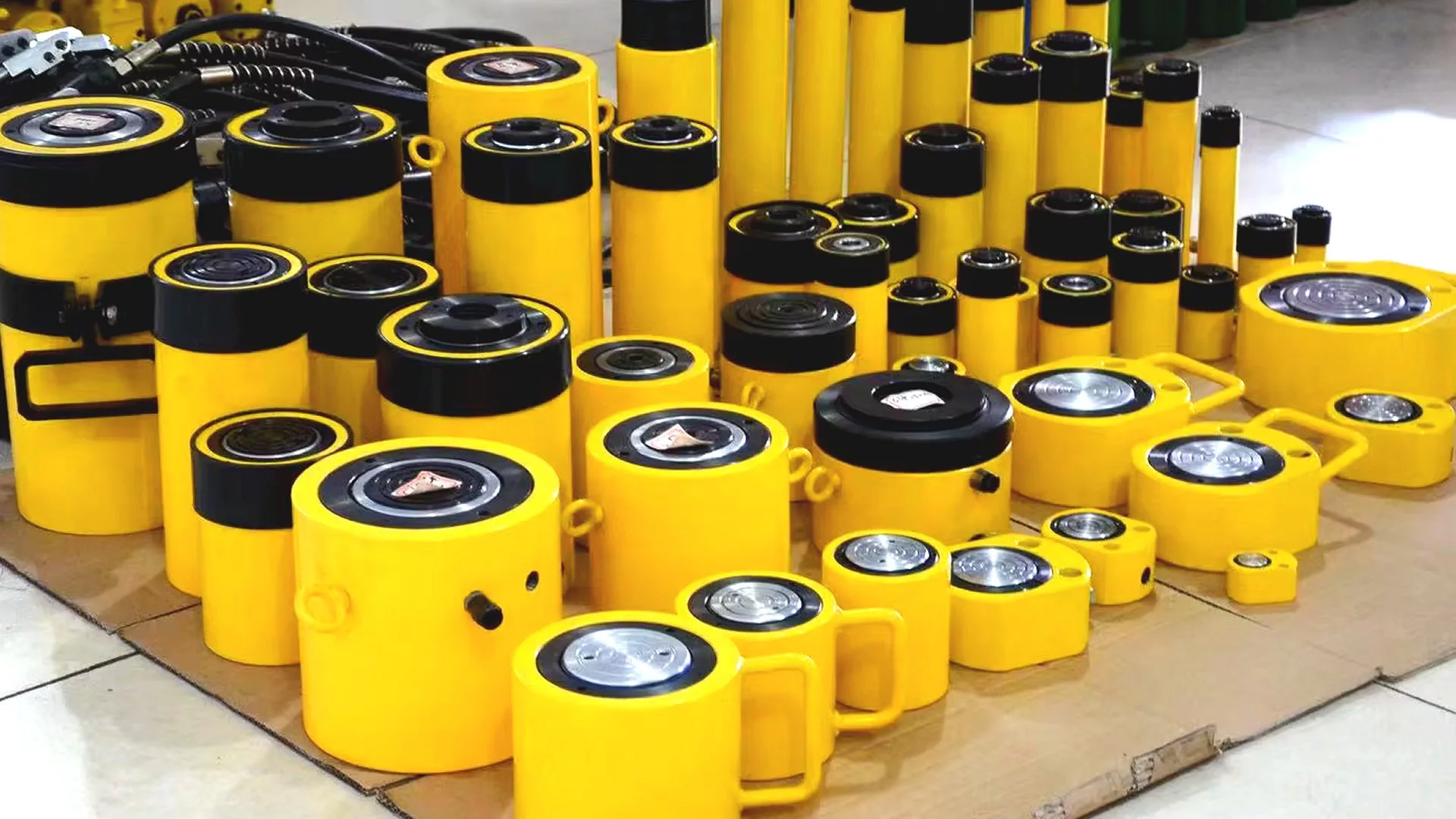
Hydraulic jacks are indispensable tools in industrial maintenance, automotive repair, and construction. Their power and precision make them a must-have for lifting heavy loads. However, the selection of the right hydraulic jack is crucial, as choosing the appropriate model based on specifications and application ensures optimal performance and safety. But like any mechanical equipment, their performance depends heavily on how they’re handled and stored. Improper storage or rough handling can lead to air pockets, fluid leaks, or system failure all of which can reduce the jack’s lifespan and jeopardise safety. Additionally, the design of a hydraulic jack plays a significant role in its overall quality and performance, making it important to consider engineering and build quality during the selection process. This guide outlines the best practices for maintaining your hydraulic jack to ensure long-term reliability.
Why Proper Storage and Handling Matters

Hydraulic jacks are engineered for durability, but they’re not immune to wear and tear especially when exposed to harsh environments or misused. Understanding why handling and storage are essential helps reinforce preventative habits.
- Avoids premature wear and tear: Poor storage conditions can lead to corrosion, internal contamination, or seal degradation, especially in humid or dusty areas. Protecting the jack from these factors prolongs its service life.
- Prevents performance issues: Air entering the hydraulic system or low fluid levels often result from improper handling. These issues can make the jack lift unevenly or not at all.
- Improves workplace safety: A well-maintained jack is far less likely to malfunction during operation. Reducing risks helps prevent injuries and costly equipment damage. Following industry standard guidelines, such as the ANSI/ASME B30 standard, ensures safe operation and proper handling of hydraulic jacks.
- Reduces downtime: Regular checks and correct handling prevent unexpected breakdowns. This ensures your operations continue without interruption.
- Maximises return on investment: Hydraulic jacks aren’t cheap, extending their life through careful handling ensures you get the most out of your purchase.
Best Safety Practices for Daily Handling

Hydraulic jacks lifting heavy materials at a construction site
Routine handling forms the foundation of your hydraulic jack’s longevity. Whether you use it daily or occasionally, how you manage it during and after each use matters.
- Prime the pump regularly: Especially after transport or storage, air can enter the pump system. Turning the handle counterclockwise and pumping it 10–15 times can help remove trapped air and restore proper function.
- Lift within rated capacity: Always adhere to the weight limit specified for your jack. Overloading it even once can damage the internal pump system and compromise safety.
- Lower fully after use: Never leave a jack under load or partially extended for extended periods. This strains the hydraulic seals and may cause fluid leaks over time.
- Use clean, flat surfaces: Uneven or dirty surfaces cause instability and additional wear. Ensure the base is solid and clean before lifting.
- Inspect for damage before each use: Look out for oil leaks, bent handles, or deformed components. Addressing small issues early prevents major failures later.
- In addition to these practices, perform periodic quality checks and follow supplementary safety steps to further ensure jack reliability.
Ideal Storage Conditions for Hydraulic Jacks


 sg
sg